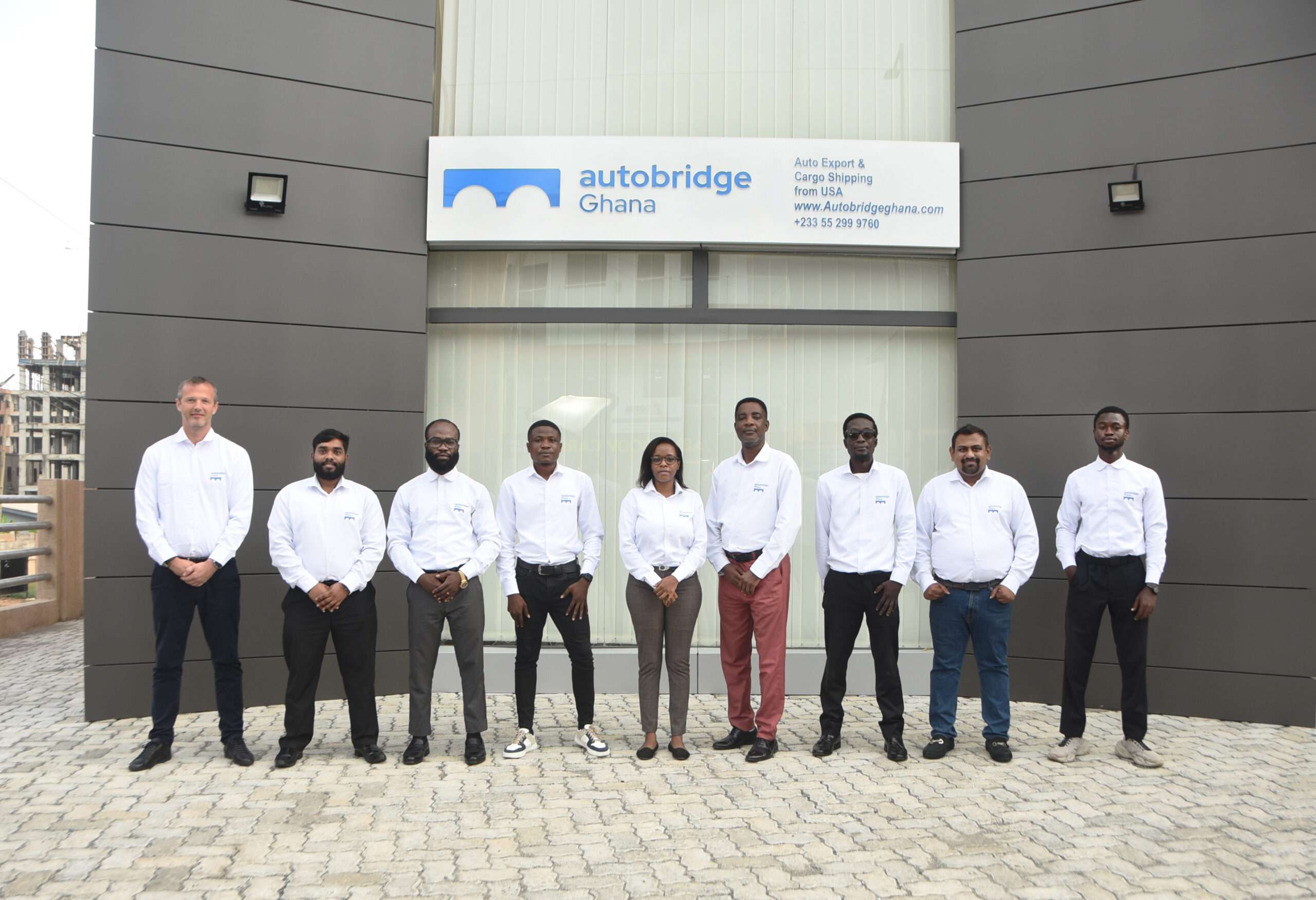




Auto Bridge Ghana Enters Market to Simplify Vehicle Importation and


Ghana Takes Bold Step in Crypto Regulation: Bank of Ghana Registers Over 100 Firms and Sets Up New Office for Digital Assets
It’s finally happening Ghana is officially taking bold steps into the world of digital assets!
For years, many of us in the tech and finance space have been waiting for clarity on where the country stands on cryptocurrencies, tokens, and blockchain innovation. Now, that moment has arrived.
In a new policy paper released on November 5, 2025, titled “Ghana’s Policy Position on Virtual Assets and Service Providers,” the Bank of Ghana (BoG) has introduced the nation’s first-ever crypto regulatory framework.
Here’s what’s exciting: the Bank has already registered over 100 crypto-related companies operating in Ghana — platforms that provide exchange, wallet, brokerage, and investment services to more than three million Ghanaians.
That’s massive! It shows just how much the local crypto scene has grown despite the lack of regulation over the years.
To manage this space properly, the BoG is setting up a new Virtual Assets Regulatory Office (VARO). This office will be responsible for monitoring crypto activities, enforcing anti-money laundering (AML) and counter-terrorism financing (CTF) standards, and coordinating with key bodies like the SEC, GRA, FIC, and NCA.
This move is a major shift in tone from the Bank’s earlier stance. Remember when, in 2018 and 2022, BoG warned that crypto wasn’t legal tender and told banks to stay away? Well, things have changed — now the approach is “regulate, not reject.”
Of course, the Bank still maintains that crypto won’t be legal tender in Ghana (so don’t expect to buy waakye with Bitcoin just yet 😄). But what’s encouraging is that they’re now embracing innovation while putting the right safeguards in place.
The framework takes a risk-based approach, meaning services with higher risks (like trading and custody) will have tighter rules, while others will go through simpler procedures. It’s a smart move — not every crypto activity carries the same level of risk.
Another exciting part is the National Virtual Assets Literacy Initiative (NaVALI) — a new program that will educate Ghanaians, especially young people, about crypto and digital finance. It’s a timely effort because financial literacy is key if we want to build a responsible, innovation-friendly ecosystem.
This policy aligns Ghana with international standards from groups like the FATF, IMF, and BIS, putting us among the few African countries taking structured, proactive steps in crypto regulation.
In my view, this is a turning point for Ghana’s digital economy. Regulation will build trust, attract investors, and open the door for innovation in fintech, blockchain startups, and digital payments.
The future is digital — and Ghana is finally catching up.

My name is Cool Collins, a Techpreneur | Digital Transformation & Innovation Consultant | Driving Skills Development & SDG Impact through Technology | Empowering Businesses & Youth for the Digital Future. Let’s connect and do business