



Auto Bridge Ghana Enters Market to Simplify Vehicle Importation and

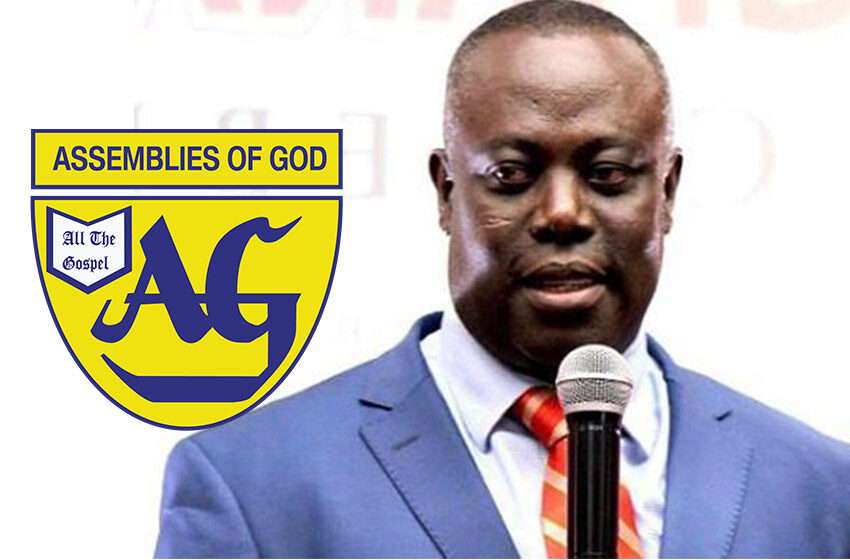
Memorandum from the Assemblies of God, Ghana, in support of the promotion for proper human sexual rights and Ghanaian Family bill, 2021
The Bill captioned “Promotion of Proper Human Sexual Rights and Ghanaian Family Values Bill, 2021,” co-sponsored by the National Coalition for proper human sexual rights and family values and a bi-partisan representation of some members of Parliament, currently pending before Parliament of the Republic of Ghana refers. The Executive Presbytery of the Assemblies of God, Ghana, pursuant to the above subject matter, submits the following memorandum for consideration by the Parliamentary Select Committee on Constitutional, Legal and Parliamentary Affairs.
Introduction:
The biblical account of creation states that God created human beings as “male and female” and blessed their marital union (Genesis 1:26–28; 2:20–25). Later authors of Scripture interpreted this twofold act of creation and blessing to entail moral norms such as the mutual cultivation of intimacy between husband and wife and the prohibition of sexual immorality and divorce (c.f., Matthew 19:4–9; Mark 10:5–12; 1 Corinthians 7:12–20; Hebrews 13:4). The prophet Moses, Jesus the Messiah, and the apostle Paul are united in common witness to the goodness of humanity’s existence as biological complements, as well as the moral norms that should govern male-female sexual behaviour.
Recent decades have witnessed the steady erosion of biblical moral norms governing sexual behaviour. As these norms regarding, among others, nonmarital sexual intercourse, homosexual activity, marital fidelity, procreation, and divorce have given way in the broader culture to more permissive understandings, new and more fundamental challenges have emerged to the very notion of biological complementarianism itself. The “transgender moment,” as it has been called, allows a person to select a gender identity at variance with their biological sex. This calls for a biblical and theological appraisal.
This memo sets out to answer the question: How should society respond to transgender persons? First, it sets the framework for understanding the experience of transgender persons in social-scientific terms. Then, it turns to a theological evaluation of the matter in light of what the Bible teaches about the sanctity of the human body, and about transgender behavior. Finally, practical guidelines are offered as to how the larger society should respond to people who struggle with gender identity, a struggle that is difficult for the vast majority of persons—Christian or otherwise—to understand.

I. Social Science Perspectives on Transgenderism
The emergence of transgenderism in modern society has stimulated extensive studies into various dynamics of the subject matter. One of such dynamics is that of gender identity versus sexual identity. The acronym, LGBTQIA+ stands for: Lesbian, Gay, Bisexual, Transgender, Queer or Questioning, Intersex, Asexual, with the “+” standing in for any other designation.
“Transgender” can refer to any individual whose gender identity (culturally defined as an internal sense of gender) differs in some way from their birth or biological sex. The term “transsexual” is typically used for those who seek medical assistance to change their biological or birth sex. A significant step in the modern conception of transgenderism was the separation of gender as a social construct from biological sex as given at birth. To be born female no longer meant someone was limited as a woman according to the expectations of society. As this understanding developed, its fluidity offered significant explanatory power for the transgender experience of gender incongruence (experiencing an internal sense of gender that is at odds with one’s birth or biological sex).
Even though by definition transgenderism is not the same thing as homosexuality, there is enough overlap between the two that some regard transgenderism as homosexuality by another name. For example, if a transgender individual is biologically male but perceives his identity to be female, and is sexually attracted to men, it would be considered a homosexual attraction for those who see the individual as male. On the other hand, that same person might count it as heterosexual because of the identification as female. But what would be the determination if the transgender individual had undergone a sex reassignment surgery? Our culture does not agree on the answer.
Today “transgender” is typically used as the umbrella term for the
myriad of ways in which individuals can experience and express incongruence between their birth sex and their gender identity. “Transgender” has been applied to individuals as varied as children struggling with their sense of gender, drag queens, and intersex individuals born with both male and female traits that do not allow easy identification. Many intersex individuals however, will not accept the trans label for the reason that they were born without a clear birth sex. Cross-gender behaviour may also cover a variety of expressions ranging from secretly cross-dressing to undergoing sex reassignment surgery. There is no one-size-fits-all explanation of transgenderism, nor a one-size-fits-all response to the pain experienced by transgender individuals.
Another Social Science perspective of transgenderism is the understanding that the phenomenon is a medical condition, and hence must be treated medically. A common assumption among some doctors is that there is a biological basis for transgenderism, but years of research and debate within the medical community regarding the cause of transgenderism have been inconclusive. Even if a biological basis for transgenderism could be proven, is that basis determinative or does it only provide a disposition for transgenderism that must also take environmental and cultural factors into account?
Some recent studies have questioned whether any biological basis can be found for gender as something other than birth sex. Those studies do not suggest that those who experience gender incongruence with their birth sex have chosen that experience, but that factors that seem out of their control in regards to their sense of gender have a psychological and cultural cause along with, or rather than, a biological cause. Today mental health professionals work to help individuals with their experience of gender incongruence rather than the gender incongruence itself.
While some studies of transgender individuals in the Western world have shown a short-term psychological benefit to sex reassignment surgery, other studies have also shown that the rates of suicide are still abnormally high among those who have fully transitioned. A few mental health professionals have questioned the morality of sex reassignment surgery, especially in light of the lack of hard evidence for a biological cause to transgenderism. An invasive surgical response, involving the disposal of healthy organs, may not be the ethical solution to what may be a deep-rooted psychological condition. In that case, it may not solve the root problem in the long run. It is to this end that sex reassignment surgeries are considered insensitive to both the Ghanaian culture and the constitution of the Republic of Ghana.
In children diagnosed with gender dysphoria, the treatment options include a wait-and-see approach, encouraging the child to identify as their birth sex, or encouraging the child to identify in accordance with their gender incongruence. This last option may even include providing hormone blockers to delay puberty so that children will have time to enter adolescence before they make the choice of how to resolve their gender incongruence. This last treatment seems irresponsible considering the potential risks of sterility, the impact on bone mass and brain development, and that the majority of children diagnosed with gender dysphoria will not carry that diagnosis into adulthood.
Gender dysphoria does occur throughout the transgender community and brings with it some negative and dangerous behaviours, from body harming activities such as cutting to suicide. To say that it is a psychological condition in need of treatment does not take away from the spiritual dimension of gender dysphoria specifically, or transgenderism in general. This spiritual dimension also calls for help. According to Dr. Mark Yarhouse, an evangelical psychologist, transgender individuals should not be seen as soldiers in a culture war, but rather as its victims. The question that needs to be answered is how the church, and by extension society, should respond to the issue of transgenderism and to transgender individuals in a way that is fully in line with God’s redemptive plan for all. An appropriate response to transgenderism is thus better established through a biblical theology of the human body.
II. Biblical Theology of the Human Body
At the heart of the transgender experience is gender incongruence, an internal sense of gender at odds with one’s birth sex. A common way to deal with that incongruence is to show a preference for one’s internal sense of gender as representing one’s true self over against one’s body. Some people have argued in support of a range of expressions of transgenderism by saying that one’s inner self, identified with the soul, should determine gender rather than the body. In other words, if someone with male genitalia has an internal sense of being female, then he should be properly understood as she. The body does not have the vote.
A biblical theology of the body, however, argues for the essentiality of the body in determining our identity. The scriptural witness of the sanctity of the body remains, regardless of the shifting cultural understanding of gender in modern society. Scripture does not speak about transgenderism as it is understood today, but it still speaks to the transgender community. A biblical theology of the body is helpful in developing a response to the issue of transgenderism that respects God’s intention for and redemption of human beings.
Genesis 1:26–31 is the record of God creating, blessing, and commanding humanity as male and female. Humans are created in the “image of God” as male and female. The “image of God” refers at least to the role of humanity over creation as representatives of the authority of God. God’s blessing of humanity, like God’s other blessings throughout Genesis, pertains to continuance, which in this case, means procreation. If humanity is meant to represent God over the earth, then human beings must fill the earth. Hence, God’s first command to humanity is to be fruitful and multiply. Creation as male and female makes human fruitfulness, and by extension the calling to act as God’s image, possible.
In all of this, the bodily aspect of maleness and femaleness is paramount. To be female and male makes possible the ability to reproduce sexually. Even after the fall of humanity, reproductive ability remains credited to God who created humans as male and female (Genesis 4:1), as does humanity’s ongoing status as creations in God’s image (Genesis 5:1–3; 9:6). God’s creation of humanity as male and female is, at least, because God intends for humans to reproduce. Humanity survives and thrives as female and male. Otherwise, humanity cannot fill the earth and thus fulfill God’s command to act as God’s image over all creation, which includes the care of all life, animal as well as human (Deuteronomy 22:1–8). It is in this vein that we find the LGBTTQQIAAP+ way of life to be at variance with the divine intentions of our creator.
The biblical recognition of two distinct human sexes, female and male, from the creation of humanity as male and female in Genesis 1:26–27, is affirmed by Jesus in Matthew 19:4 and Mark 10:6. The Old Testament also narrates the role that sin plays in corrupting human nature, beginning in Genesis 3. The New Testament affirms this corruption of humanity even to the extent of affecting sexual desires (Romans 1:18–32). There is not one aspect of being human or the human experience that is unaffected by fallen-ness, including, but not limited to, biology, reason, spirituality, self-identity, and the relations between all aspects of humanity.
This theology of the body as essential to our true self cannot be denied when dealing with gender incongruence no less than the pain of gender incongruence can be ignored when ministering to those who suffer from gender dysphoria. The desire on the part of many who suffer gender incongruence to find resolution by changing their body is a sign of the importance of the body to human identity.
True sympathy must be extended to those in pain even if a solution that so completely prioritizes the interior over the exterior cannot be embraced because of belief in the sanctity of the body and the wholeness of human beings. This does not mean that those who struggle with gender incongruence are sinning, nor does it mean that attempts to resolve the incongruence against the body should be regarded as intentional rebellion against God rather than as a fight for survival. A community of LGBTTQQIAAP+ in which 41 percent of its members attempt suicide (according to credible research) is a community of people in pain. While the Bible does not directly address transgender identity or a transgender lifestyle as such, it does recognize that individuals may make choices that are purposely at variance with their birth sex. No one has a full understanding of what causes gender incongruence, but certain behaviors which reflect a transgender identity are morally inappropriate in accordance with a Christian theology of the body. This is not to say that there should be an entirely rigid and unreasonable standard for expressing a particular gender based on cultural stereotypes. Not all behaviors carry the same meaning regardless of culture or context. However, the absence of any standards or boundaries, and the refusal to recognize our collective bodily human existence as male and female as the intentions of our Creator, leads to confusion that negatively affects our culture as a whole.
III. National Response to Transgenderism
Having outlined our understanding of both social science and biblical perspectives of transgenderism, we now proceed to proffer some appropriate responses expected from the church and society at large, in dealing with the phenomenon of transgenderism, transsexuality, and gender identity. These, in our humble opinion, should inform both the crafting, discussion, and fine-tuning of the Bill under consideration.
A. Discipleship
The Church is entrusted with the “ministry of reconciliation” (II Cor. 5:18, NKJV), with the mandate to demonstrate the love of God through His Son Jesus Christ to all humanity, including those who are involved in practices considered to be unacceptable both on religious and cultural grounds. This obviously raises discipleship challenges. How should the church respond to transgender persons? This question should be reframed in terms of the Great Commission, which is to “make disciples of all nations” (Matthew 28:19). Framed this way, the Church’s ministry to transgender persons is essentially the same as its ministry to all persons: evangelism that leads to repentance and faith in Jesus Christ, symbolized by baptism, and discipleship that teaches converts to obey the commandments of Jesus Christ in ever-increasing measure.
Given the theology of the body articulated earlier in this memo, it is clear that the Church’s ministry to transgender persons should help them experience increasing integrity between their birth sex and their gender identity. This is a long-term discipleship goal involving the creation of an optimal environment for transgender persons to experience new life in Christ.
B. Self-examination
The first characteristic of such an optimal environment is self-examination. Jesus’ famous saying regarding the speck and the plank (Matthew 7:3–5) is relevant in this context. Bible-believing churches rightly critique contemporary society’s distorted understandings and immoral practices when it comes to sex. However, there is often a failure to address unloving attitudes toward people with views and practices that are different. Ministry to transgender persons—and LGBTTQQIAAP+ persons more generally—should acknowledge and avoid unloving words and deeds that have been spoken or done toward them.
C. Hospitality
The second characteristic necessary for effective response to transgender persons is an environment of hospitality. Social science indicates that transgender persons experience elevated levels of violence, rejection, loneliness, and suicidal thoughts. Contemporary political discourse—which treats transgenderism as a front in the culture war over sexual mores—aggravates their feelings of alienation and unwelcomeness. An appropriate response to transgender persons cannot even begin if they experience an unloving, unwelcome environment in the church and the larger society.
God hates all sin but loves sinners. The church and society should demonstrate genuine love towards practitioners and advocates of transgenderism, transsexuality, and gender identity without condoning the behaviors that the Bible condemns. Hospitality welcomes people at the point at which they are met. The Pharisees and Scribes said of Jesus, “This man welcomes sinners and eats with them” (Luke 15:2). Both the church and the larger society should thus follow Jesus’ lead in this regard?

D. Holistic Approach
A third characteristic of an optimal environment for effectively responding to transgender persons is a holistic approach. The temptation pastors and other church leaders must endeavor to overcome is the reduction of transgender persons to their gender dysphoria and related behaviors, as if the adjective transgender exhausted the meaning of the noun person. Gender dysphoria is a discipleship issue in the same way as lack of faith, prayerlessness, biblical illiteracy, theological error, the deeds of the flesh, etc. Pastors and church leaders who neglect to address these issues are failing to help transgender persons develop a relationship with Jesus Christ, a biblical worldview, spiritual practices, and a gospel-centered narrative that will in turn help those persons address their gender dysphoria and related behaviors. There is thus the need for sound teaching in the churches, mosques, and other such gatherings that is relevant to adequately address transgender behaviors.
E. Patience
A final characteristic is patience. Gender dysphoria is shaped over a lifetime by complex causes. Experience teaches that feelings of incongruity between one’s birth sex and gender identity usually do not instantly disappear when a transgender person converts. Of course, the same is true for besetting sins, bad habits, and long-term struggles such as substance addiction. While there are genuine testimonies of instantaneous deliverance, these are rare. Discipleship usually consists of “a long obedience in the same direction,” as one writer has described it. And, as transgender persons undertake this long journey of obedience, both Christian and the larger societal response to them must be patient, encouraging, correcting, and forgiving of them all along the way.
F. Advocacy
We fully endorse Okai and Arhin’s recommendation for all-inclusive participation in the provision of appropriate response to unbiblical sexual behaviors by churches, other religious organizations, government agencies, non-governmental organizations, schools, hospitals, palaces, markets, communities, and all stakeholders.[1] Also in view of mounting external pressure on the government and people of Ghana in recent times to legalize LGBTTQQIAAP+ groups in the country, current and successive governments, parliament, the judiciary, the press, religious and civil society
[1] Okai, D., and Arhin, S., 2016 “Homosexual Partnerships and its Socio-Economic Implications on the Kingdom of God” E-Journal of Religious and Theological Studies (ERATS). Vol. 1, No 2, 88-105.
organizations should declare their unequivocal stand against LGBTTQQIAAP+ practices in the country.
Conclusion
We commend the initiative of the National Coalition for Proper Human Sexual Rights and Family Values and the bi-partisan representation of some members of Parliament for co-sponsoring the Promotion of Proper Human Sexual Rights and Ghanaian Family Bill, 2021. We also congratulate leadership of Parliament for seeing to the first reading of the Bill on the floor of Parliament in July this year, subsequently referring it to the Parliamentary Select Committee on Constitutional, Legal and Parliamentary Affairs, and its publication in the Daily Guide on September 13, 2021. It is our cherished hope that this Bill will sail through all the required processes and stages in Parliament, get passed, received Presidential accent, and remain permanently in the Statute Books of the Republic of Ghana.
God bless our homeland Ghana, and make us great and strong!
Long Live our democracy!
Long Live our rich family values!
Long Live our cherished religious and cultural heritage!
Submitted by the Executive Presbytery of the Assemblies of God, Ghana.